Monday, 7 December 2015

New and digital media News articles

BBC prepares to make News at Ten longer
The BBC News at Ten studio

  • Expected 10-minute extension would increase competition with Newsnight and comes as rivalry with ITV heats up 
  • The longer programme – which would end at about 10.45pm – would increase competition for Newsnight, BBC2’s current affairs programme, which starts at 10.30pm. 
  • The BBC1 bulletin regularly brings in more than 4 million viewers, while Newsnight has recently attracted audiences of about 700,000. 
  • The BBC is preparing to lengthen its flagship late evening news bulletin with an expected 10 minutes of regional coverage, creating an overlap with the beginning of Newsnight
  • BBC news have announced that they have plans of extending the 10pm show by an extra 10 minutes, from this they hope to gain extra competition from shows like newsnight and ITV


"YouAintNoMuslimBruv" trendingas Britons hail onlooker’s riposte


  • Putdown from witness to Leytonstone attack flies as a hashtag on social media as users applaud response to suspected London tube attacker 
  • It was the spontaneous putdown of the knife attacker that captured public feeling about the assault in Leytonstone underground station: “You ain’t no Muslim bruv.” 
  • The witness’s phrase quickly spread as people used #youaintnomuslimbruv to show their contempt for the suspected London tube station terrorist.
This is a story circulating a video that wen viral and it was a recording of someone shouting at someone who claimed to be a muslim as he was stabbing and fighting people. In my opinion, this is a great example how new and digital media has allowed citizen journalism to expand


Sunday, 6 December 2015

Marxism & Pluralism: Alain de Botton on the news

1) To what extent do you agree with Alain de Botton's views on the News?

I agree with Alain De Botton's views on the news mainly with the belief that he said we find the lives of celebrities more important that the views on politicians and secondly, news that is less important is now more valued than the more important and beneficial news. 


2) How can you link Marxism and Hegemony to de Botton's criticisms of the News?

This can be linked to Marxism and hegemony because of De bottons criticism of the news, Marxism believes that society is class dominated, he also believes that the elite media corporations are providing us with a lot of news to accept what we are shown. This can also be linked to the hegemonic ideology.

3) How could you use Pluralism and new technology to challenge de Botton's views on the News?

A pluralist would argue that we choose what news we want to consume as we are free and there is no class division, in addition to this new and digital media has allowed us to consume what ever we want directly from our devices without having limited options.

Learner Response

You also seriously lack examples, quotes and theory. Where are your examples of citizen journalism? Twice you mention the election but you don’t mention the result of the election – the Conservatives won! Doesn’t that suggest all those protests on Facebook were entirely powerless?

LR: Write two new sections for this essay – a strong introduction answering the question from both sides and clearly introducing your News case study. Then, a whole new section looking at the decline in the newspaper industry – lots about consumption and production the


Introduction
In this essay i will be looking at both sides of the argument of whether new and digital media has made audiences more powerful.Audiences have become empowered by new and digital. This is because of how many platforms are available to be accessed, such as BBC, Daily mail and the guardian. From these different platforms we can gain a more wider view on a particular story which allows us to form a more solid opinion about a particular subject. since we have access to such a wide variety of news and values it also allows us a lot of room to share our thoughts about online through social media to a mass audience. This would support the pluralism belief as it allows us as an audience to be more free about our thoughts rather than taking in everything that we hear from the news. A great example how social media has had a huge impact on the news industry is because of how much people have become rebellious, mainly during the election period people set up Facebook pages protesting which allowed many people to gain a better understanding to help them form their own beliefs.on the other hand, you could argue that alot of the stuff posted online could be fake and unreliable so therefore we could potentially be mislead into believing stories which are incorrect. In addition to this if someone with 100 followers posts a tweet about their thoughts on a particular news story or debate and no one reads the tweet, does this really mean that they are empowered?


The power of new and digital media has led to a major decline in the Newspaper industry, the newspaper industry has suffered, the amount of advertising money that has disappeared from the industry and it had worked out to be over $40 Billion and around 60% of the advertising revenue. They believe that $60 billion is the amount that traditional print advertising would've been worth by now. This is a great example of how much new and digital media has had an impact on traditional news. The main factors that caused this decline are things such as mail online, social media and citizen journalism


Globalisation and the media: wider issues


Globalisation and the media: wider issues


1) Why was Google Glass controversial?


Google glass was controversial because it was believed that it may make people become less interactive amongst themselves and in addition, google glass records the public and it is able to recognise peoples faces, this caused a lot of controversy as it would be an invasion of other people privacy. 

2) What are the positive elements to Globalisation that the article highlights?


The positives are that it makes the world become more accessible in terms of news and it also helps people understand more things. This also helps to empower audiences worldwide. 

3) What are potential negatives to Globalisation?


Globalisation will have a huge impact on smaller organasitions as they would find it much harder to compete. Also, there wont be enough room to become competitors in this type of industry as google are already a well known and trusted organisation.

4) What is a techno-panic? How does it link to moral panics?

A techno panic is basically a moral panic but for the technology industry. An example of a techno panic was with google glass and its privacy issues. "a techno-panic is therefore a moral panic that centres on fears regarding specific contemporary technology or technological activity. Some of the dialogue regarding Glass and its release could be viewed as both moral and techno-panics."


5) What is your opinion on the privacy debate and major corporations being able to access large quantities of personal data?


In my opinion, knowing that large corporations can use our own information against us is abit extreme, however, the positive side of this is that it could make it more convenient for the audience. 

NDM case study: Globalisation (Cultural Imperialism

1) Is our news influenced by American cultural imperialism? What examples can you think of?

American cultural imperialism has influenced our news. An example of this is when there was a child singing the national anthem during a baseball game and the child started doing hiccups throughout this and this went viral over social media platforms and ended up being on the BBC website. This could support that the idea that american news is poor.

2) Has the increased globalisation of news improved the audience experience? How? Why?


Yes, Globalisation of the news has improved audience experience because of the following reasons'; Firstly, it has allowed audiences worldwide to get easier access, this is because of the developments in new and digital media with the use of smartphones and tablets. Secondly, We are able to get access to videos, Clips. as soon as they happen which provides news to us instantly. However, this could be an issue for local news as this will not improve audience experience because they will be focused on the global news rather than their local issues. 

3) Has globalisation benefited or damaged major news institutions?

Globalisation has benefited major news institutions in a way because this has allowed them to become more diverse with their news and make their news more accessible for everyone because of new and digital media. In addition, 

Friday, 4 December 2015

new and digital news articles

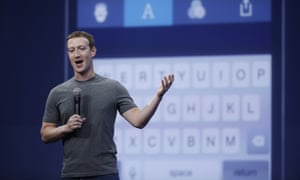
Mark Zuckerberg returns to top of MediaGuardian 100 power list

Mark Zuckerberg

  • Mark Zuckerberg has returned to the top of the Guardian’s annual power list, the MediaGuardian 100, after a year in which Facebook, the social network he founded, was used by 1 billion people in a single day.
  • The list confirms the growing influence of US technology groups, with Google co-founder Larry Page and the Apple chief executive, Tim Cook, also claiming top spots.As well as organic growth, Facebook expanded in 2015 through its subsidiaries such as the flourishing picture-led Instagram and messaging platform Whatsapp, which are popular with a younger demographic, and the launch of its Instant Articles. In the words of one judge: “It’s hard to argue with Facebook’s domination over everything.” The 31-year-old Zuckerberg also tops the list of media moguls under 40.
This article talks about how Facebook founder Mark Zuckerberg is in the top 100 powerlist which basically means that Facebook is one of the most powerful online social media as it has 1 Billion users per day, this shows how social media has become very powerful over the years.


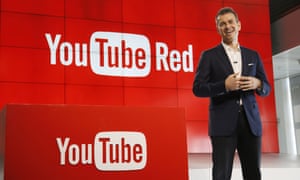
YouTube tipped to strike licensing deals for TV shows and films

YouTube’s Robert Kyncl at the launch of the YouTube Red service


  • YouTube is preparing to strike deals with Hollywood studios and television firms to bring films and TV shows to its YouTube Red subscription service.
  • The online video service is keen for its $9.99-a-month service to compete more directly with rivals such as Netflix, Amazon and Hulu, according to the Wall Street Journal.
  • Its report suggests that YouTube is in the “early stages” of these talks, but that it hopes to commission original shows and films rather than simply license existing content.
  • “Netflix, Amazon and Hulu license many older movies and TV series that have already run elsewhere, while YouTube is focusing on new material,” claimed the report, citing an anonymous source.


This is a story talking about how Youtube is going to make television shows available to watch directly on Youtube for a monthly subscription. I believe that this is something that may happen soon, and it will most definately be the same case in terms of news, this is because youtube is the largest online broadcasting service.

Monday, 23 November 2015

Marxism & Pluralism: essay

The development of new/digital media means the audience is more powerful in terms of consumption and production. Discuss the arguments for and against this view.


Audiences have become empowered by new and digital. This is because of how many platforms are available to be accessed, such as BBC, Daily mail and the gaurdian. From these different platforms we can gain a more wider view on a paricular story which allows us to form a more solid opinion about a particular subject. since we have access to such a wide variety of news and values it also allows us alot of room to share our thoughts about online through social media to a mass audience.  Also, with the use of social media (mainly twitter) we are now able to access a huge variety of news stories by simply just scrolling down our timelines and in addition to this we also get see people thought about the stories. This would support the plurism belief as it allows us as an audience to be more free about our thoughts rather than taking in everything that we hear from the news. A great example how social media has had a huge impact on the news industry is because of how much people have become rebellious, mainly during the election period people set up facebook pages protesting which allowed many people to gain a better understanding to help them form their own beliefs.on the other hand, you could argue that alot of the stuff posted online could be fake and unreliable so therefore we could potentially be mislead into believing stories which are incorrect. 

The Marxist believe that the media is controlled and filtered by the elites as they choose what is shown on the media, these corporations also have power over the audience, this is evident because of the quote "Top 5% of all websites accounted for almost 75% of user volume" However, on the other hand citizen journalism can suggest that the audiences are empowered as we are able to create news ourselves. This supports the pluralism belief of a classless society and we choose what we consume.

Since new and digital media is growing rapidly overtime it has allowed audiences to become more powerful in terms of consumption and productions. This is something that has become very common due to the fact there is so much freedom online.  In addition, there is very easy access to all of this via our smartphones or tablets.Firstly, From a Marxist perspective they would believe that the media are promoting a hegemonic ideology which supports the dominance of the higher classes and the people behind this are the wealthy corporations, media conglomerates and professionals. However, new and digital media gives audiences the privilege of being able to access multiple different stories online on a variety of different platforms and from different corporations or people. This means that us as the audience have the power to take in what news we want. However, this could mislead audiences in to believing they have power when they dont. An example of this is if someone tweets out something challenging authority, this tweet could end up not being viewed by anyone, so therefore the audience aren't really empowered. In addition, if audiences want to share out their opinions there are still some
Guidlines they have to follow in terms of what they can say, so does this still mean audiences are empowered?


From pluralists perspective they would believe that there is a classless society and us as the audience are free to consume what we like and produce what we like. An example of this is USG (user generated content) and citizen journalism. For example, us as the audience are able to create our own news, write our own articles and share our own opinions on stories. Social media has allowed the audiences to have this sort of power. In addition, with websites such as mail online, there is a comments section where audiences are available to interact with the story giving their thoughts, this wouldn't have been able to done 10-15 years ago. This can be supported by the following quote "Technological blossoming of the culture of freedom". 
An example of this was during the elections when the famous actor Russel Brand was sharing his thoughts on whk should be voted for and who shouldn't. This is a great example of audiences being empowered through social media because it sparked a debate amongst twitter users about which party should be elected 


In conclusion, new and digital media hasn't really empowered audiences that much because if a regular person wanted to post something online such as an article or video, it would be hard for it to get recognition as they arent coming from a reliable source. In addition, if someone did post something and it was relevant and got some recognition, other audiences would usually wait for a well known organisation such as the BBC to post something about it to believe it. So therefore, developments in new and digital media doesnt make us as the audience as empowered.